
Website Accessibility and WCAG Compliance

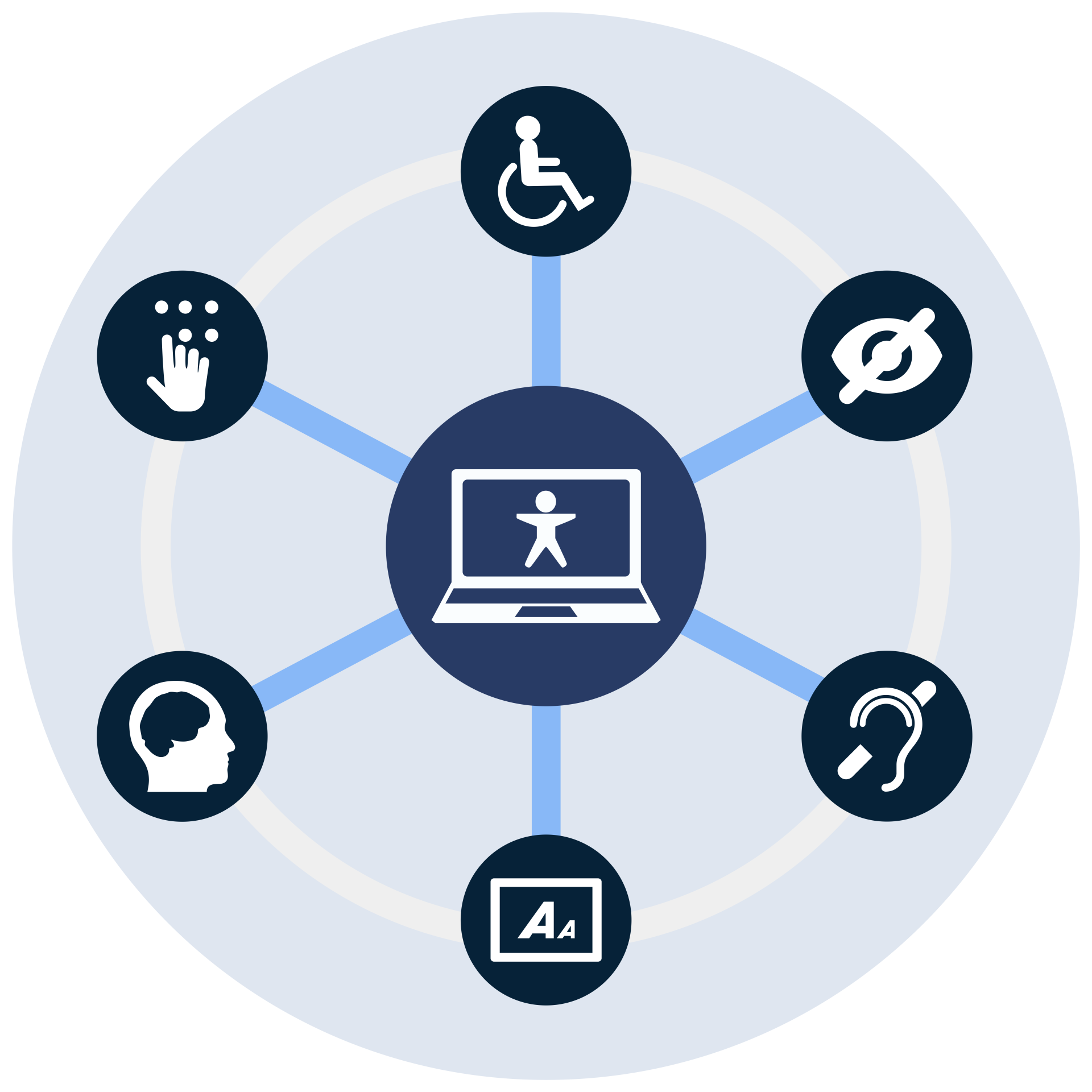
Website Accessibility Services & Why They Matter
At Green Closet Creative, we help organizations achieve fully accessible digital experiences that work for everyone. We design and build websites to meet WCAG 2.1 Level AA accessibility standards, striving for a 100 score on automated accessibility testing (excluding unavoidable third-party widgets and external portals). Our services include accessibility audits, remediation planning, code-level fixes, and support documentation to demonstrate compliance. We focus on creating inclusive digital environments that improve usability for all users, including people with disabilities, while reducing legal exposure and enhancing brand reputation. Whether you’re launching a new site or improving an existing one, we’ll partner with you to future-proof your web presence and stay ahead of legal and regulatory expectations.
Accessibility – The current Landscape
New Federal Digital Accessibility Rules (April 2026)
The U.S. Department of Justice (DOJ) finalized and phased in ADA Title II web accessibility requirements for all state and local government websites and mobile apps, aligning them with WCAG 2.1 Level AA standards. These standards are now officially codified and enforceable for public entities, clarifying what agencies must do to make digital services truly accessible.
- Effective deadlines: Compliance deadlines through April 24, 2026/2027 apply depending on entity size.
- This rule provides one of the first formal federal technical standards for digital content under the ADA.
Note: While this specific Title II rule applies to government entities, similar expectations are already interpreted to apply to private businesses as “public accommodations” under ADA Title III — particularly by courts and plaintiffs’ attorneys.
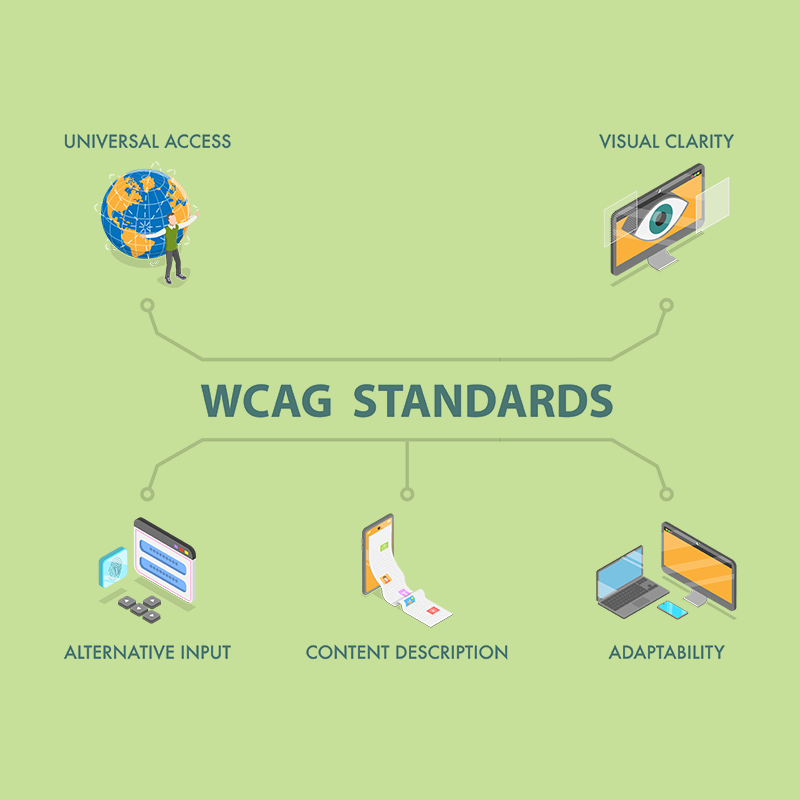

Failing to meet recognized accessibility standards creates substantial legal risk — not just regulatory exposure but also the risk of costly litigation or settlement. Courts and advocates increasingly treat WCAG 2.1 Level AA as the practical benchmark for ADA compliance.
Legal Risk: The Rise in Accessibility Lawsuits
Digital accessibility lawsuits are increasing sharply across the U.S.:
- In the first half of 2025, more than 2,000 ADA website accessibility cases were filed — a 37% increase year-over-year.
- Comprehensive datasets for all of 2025 indicate nearly 4,000 accessibility lawsuits targeting business websites.
- Lawsuits now span industries and states, with hotspots in New York, California, Florida, and growing litigation in Illinois.
These cases typically allege that inaccessible websites — e.g., missing alt text, poor color contrast, forms that don’t work with assistive technologies — denied people with disabilities equal access to services and goods online.

Trend Drivers (2025–2026):
- AI tools are enabling more pro se filings (self-represented plaintiffs) and expanding lawsuit volumes, lowering barriers to lawsuit drafting.
- Accessibility overlays and plug-ins that claim WCAG compliance have been criticized and even fined for misleading claims (e.g., AccessiBe FTC action).
Why Compliance matters to your business
Website accessibility is no longer optional — it is a legal, financial, and reputational consideration for every organization with a digital presence. Courts increasingly look to WCAG 2.1 Level AA as the benchmark for ADA compliance, and the rise in website accessibility lawsuits demonstrates that businesses of all sizes are being targeted, not just large corporations. Failing to address accessibility can result in costly legal action, settlements, attorney’s fees, and mandatory remediation under tight deadlines. Beyond legal risk, an inaccessible website limits your audience, excluding millions of Americans with disabilities and diminishing overall usability for all visitors. Accessible design improves user experience, strengthens SEO performance, and reinforces your brand as inclusive, responsible, and forward-thinking. Proactively investing in compliance is significantly less expensive — and far less disruptive — than defending against a claim.
Why Accessibility Is Good for Business
Accessibility isn’t just about compliance — it’s smart business. More than one in four U.S. adults lives with a disability, representing significant buying power that your website should not exclude. Accessible design improves usability for everyone, including mobile users and aging audiences, while supporting SEO best practices that enhance visibility and performance.
Prioritizing accessibility strengthens brand trust, demonstrates social responsibility, and can differentiate you in competitive markets. Simply put, accessible websites reduce friction, expand your audience, and drive better engagement and conversions.
Ready to Start?
If your current website is not compliant — or if you’re unsure — now is the time to act. Waiting increases legal exposure, risks user alienation, and undermines your brand’s inclusivity goals.
Contact Green Closet Creative and ask us to test your current site for website accessibility.